A Journey to the Heart of Australia
Welcome back to our Central Australia adventure. Uluru (aka Ayers Rock) is a must visit spot in Australia’s red centre, known for its stunning sunrises, sunsets, walks and deep cultural significance. Rising to 348 metres above the desert plain, it is thought Uluru could reach 5-6 kilometres below the surface – What we see is like the tip of an iceberg.

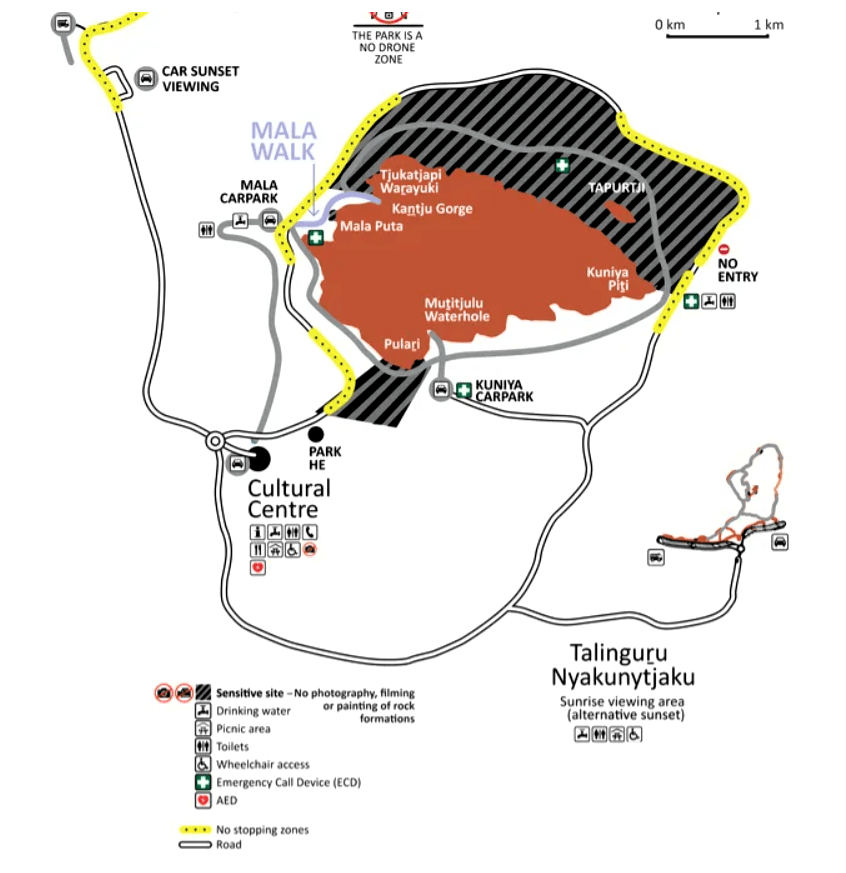
Today we’re here to explore one of Australia’s most iconic landmarks – Uluru. We’ll get up close to the “Rock” where our adventure continues leisurely strolling along the Mala Walk and Uluru Base Walk. Can you imagine being a part of the legend, standing beside this colossal, ancient formation, its reddish hue shimmering in the morning sunlight.
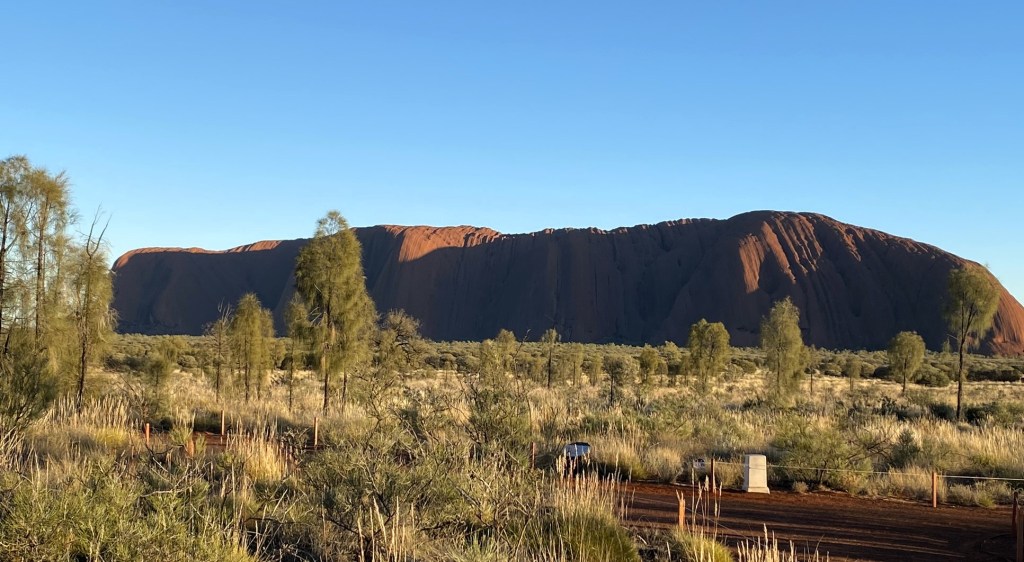
Uluru is a sacred site and a natural wonder that beckons travelers from around the world. A visit to Uluru is not just about seeing, it’s about feeling the profound connection to the land , culture, and history that surrounds this majestic landmark.


But first, we’re on our way to witness our first Uluru sunrise. The Sunrises and Sunsets at Uluru are unforgettable, its vastness and beauty are simply awe-inspiring. As the sun begins its ascent, the monolith transforms from deep orange pink, and purple, casting a magical glow over the surrounding desert landscape. The sky is ablaze in hues of orange and pink, creating a mesmerizing backdrop for the iconic monolith. It’s a spiritual heartland, a geological marvel, a sight to behold as nature prepares for a new day.
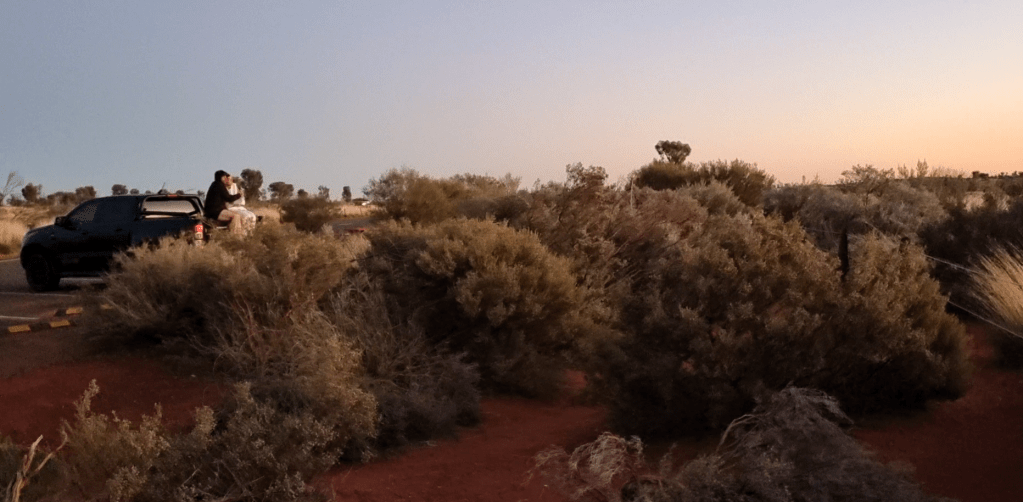
Western Viewing Area – Uluru Sunrise 
Driving to Uluru 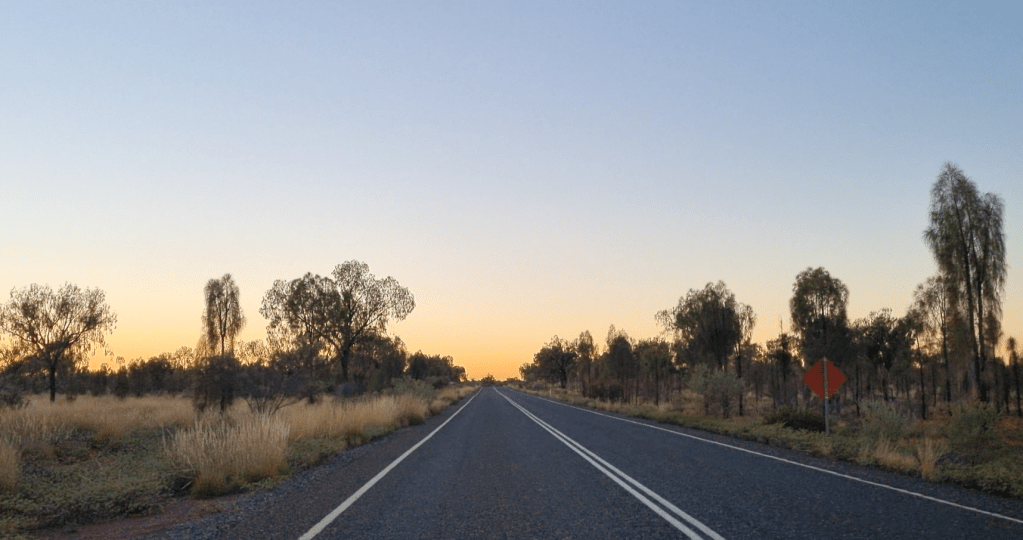
Early Morning – On the Road to our First Sunrise 
Western Viewing Area – Uluru Sunrise
With an early breakfast, the sun has not risen, it’s time to leave the Ayers Rock Resort, onto the highway, this road will guide us to our first viewing area on the western side of Uluru. We’re here, well before sunrise, we’ve got an excellent vantage point. The sun has started to creep over the horizon, this mesmerising show has begun and we are a part of it. I can tell you I have seen many sunrises in my travels, but nothing compares to this.

Eastern Viewing Platform 
Eastern Viewing Area Sunrise 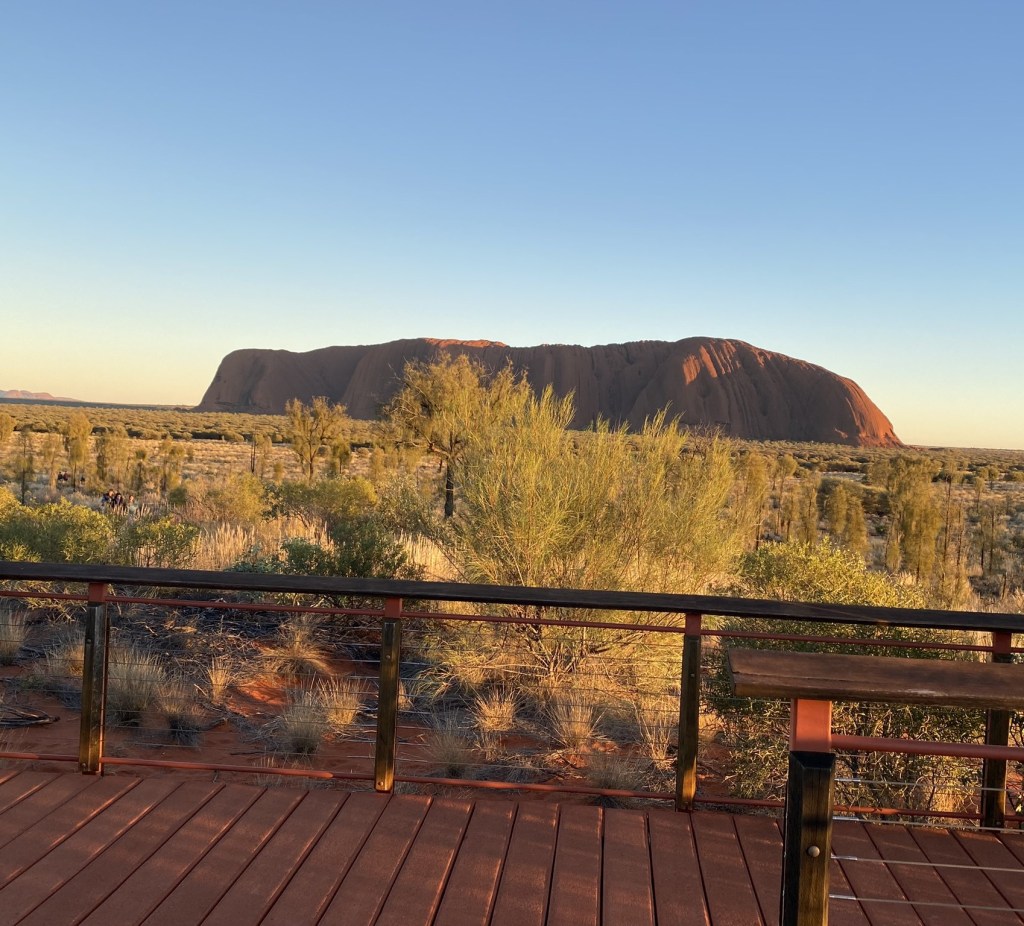
Eastern Viewing Platform – Sunrise Eastern Viewing Area Sunrise
Could it get any better than this. Yes! We hopped back into the car, and after a very short drive we were at the Eastern viewing platform. Climbing to the top of the tower, the view of the sunrise was an absolute show stopper! We spent hours here, as the sunrose the colours and desert landscape changed every few minutes, we were totally enhanced by this incredible panorama.
It was unbelievable that you could get two totally different experiences from the Western side and then around to the Eastern side. The silence was only broken by the “Ooohs” & “Aaaahs” of the gathered crowd as each passing moment revealed something magical – “OMG, the view was fire!”

🔥ROAD TRIP’N TIPS – INSIDE INFORMATION
- Best time to visit: The cooler months from April to September are recommended for visiting Uluru to avoid the harsh desert climate – This is also peak tourist time.
- Pre-order your National Park pass and carry it with you when you are entering the Uluru-Kata Tjuta National Park. It’s easy to order your pass online before arriving.
- Get to Uluru before sunrise, find the best park, watch the daybreak, the light show is stunning. Onto the sealed bitumen road from the resort, this will guide us to our first viewing area on the West side of Uluru – You’ll need you National Park Pass.
- First viewing done, jump in the car and drive around to the Eastern side viewing area. Climb the tower, just be prepared to be astounded.
- Wear comfortable shoes, pack your insect/fly net, stay hydrated and rug up. Early morning temps in the winter months can be 0 degrees or less.
- Coffee, drinks, toilets and food are available at the Uluru-Kata Tjuta Cultural Centre (more info – click here). Here you’ll find displays, a visitor information desk, Aboriginal Art Galleries and several community-owned shops. – It’s only a short drive away.
Uluru Walking Trails ( click here)
To truly appreciate the significance of Uluru, it is essential to experience it on foot. Uluru offers various walking trails like the Mala Walk and the Uluru Base Walk, providing insights into its cultural and spiritual significance. Along the way you’ll find informative signage that shares stories from the Anangu people, the traditional owners of the land.

Back in the car, we hit the road, arriving at the Mala Walk car park, we gathered our backpacks and began our journey. If you prefer, this trail can be done as a Ranger guided tour, we did our own thing and set off as our small group of four adventurers.

The Mala Walk, a 2.6-kilometer loop, offers stunning views from every different angle. As I walked, I couldn’t shake the feeling of insignificance. I knew that this was sacred to the Anangu people, the traditional owners, their stories woven into the fabric of the landscape.

Car Parking – Mala Walk 
Mala Walk – Flora Fauna 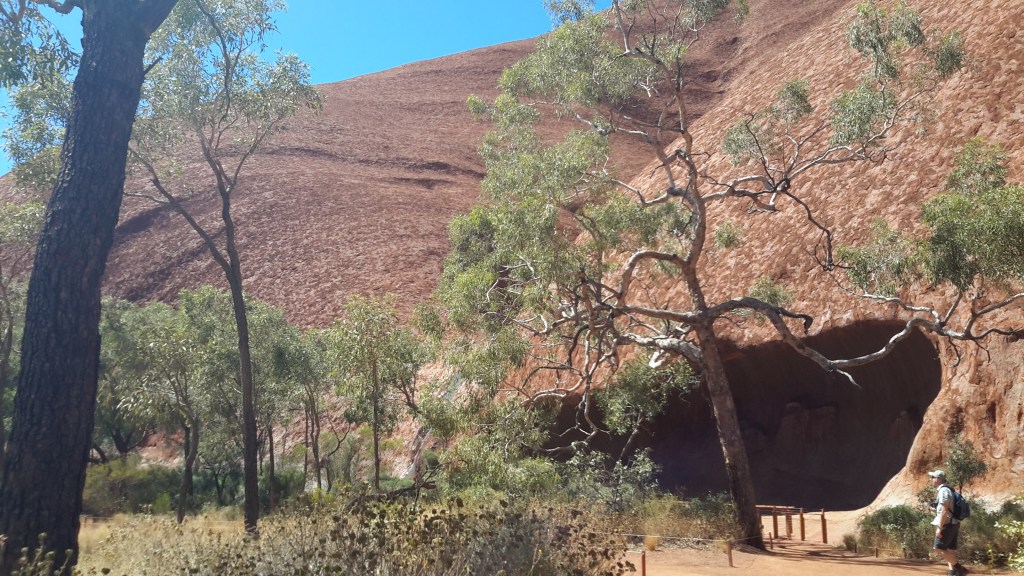
Mala Walk Cave 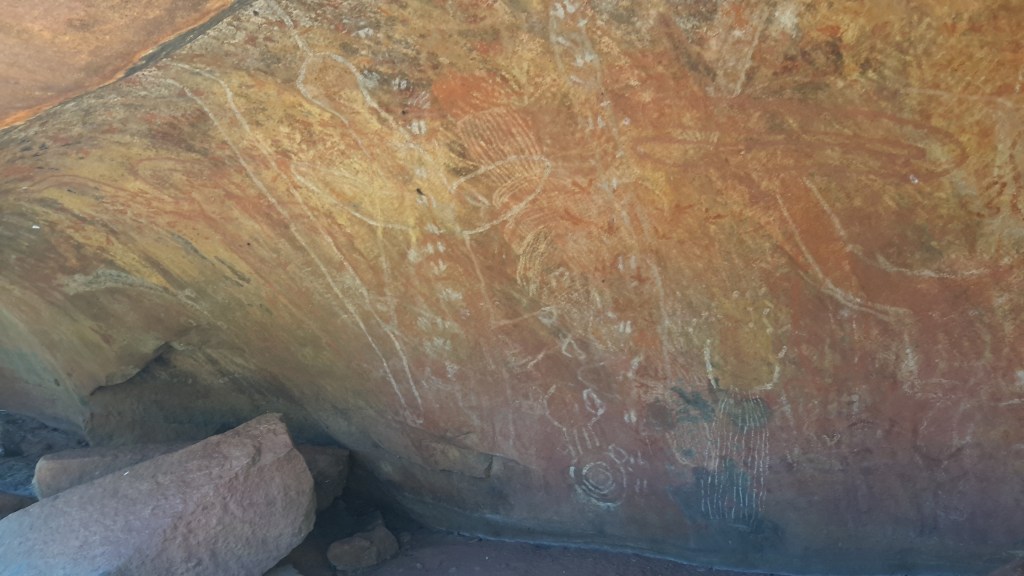
Rock Art You’ll See Along the Way
The trail led me through a series of diverse landscapes, from rocky outcrops to paths of vibrant greenery. Each step brought new wonders. I paused at a rock art site, my eyes tracing the intricate patterns etched into stone. These were not just decorations, but symbols of creation stories from ancestral times.
As we continued, we had the opportunity to experience the caves where the Mala (rufous hare-wallaby) people camped when they arrived at Uluru and saw the kitchen cave where they prepared their meals offering a glimpse into a way of life that has endured for millennia.

Interpretive signs provided further insights into the natural and cultural significance of the area, enhancing our experience with knowledge and understanding. One of the most poignant moments of the walk was the visit to the Mala Puta where women’s ceremonies were traditionally held.
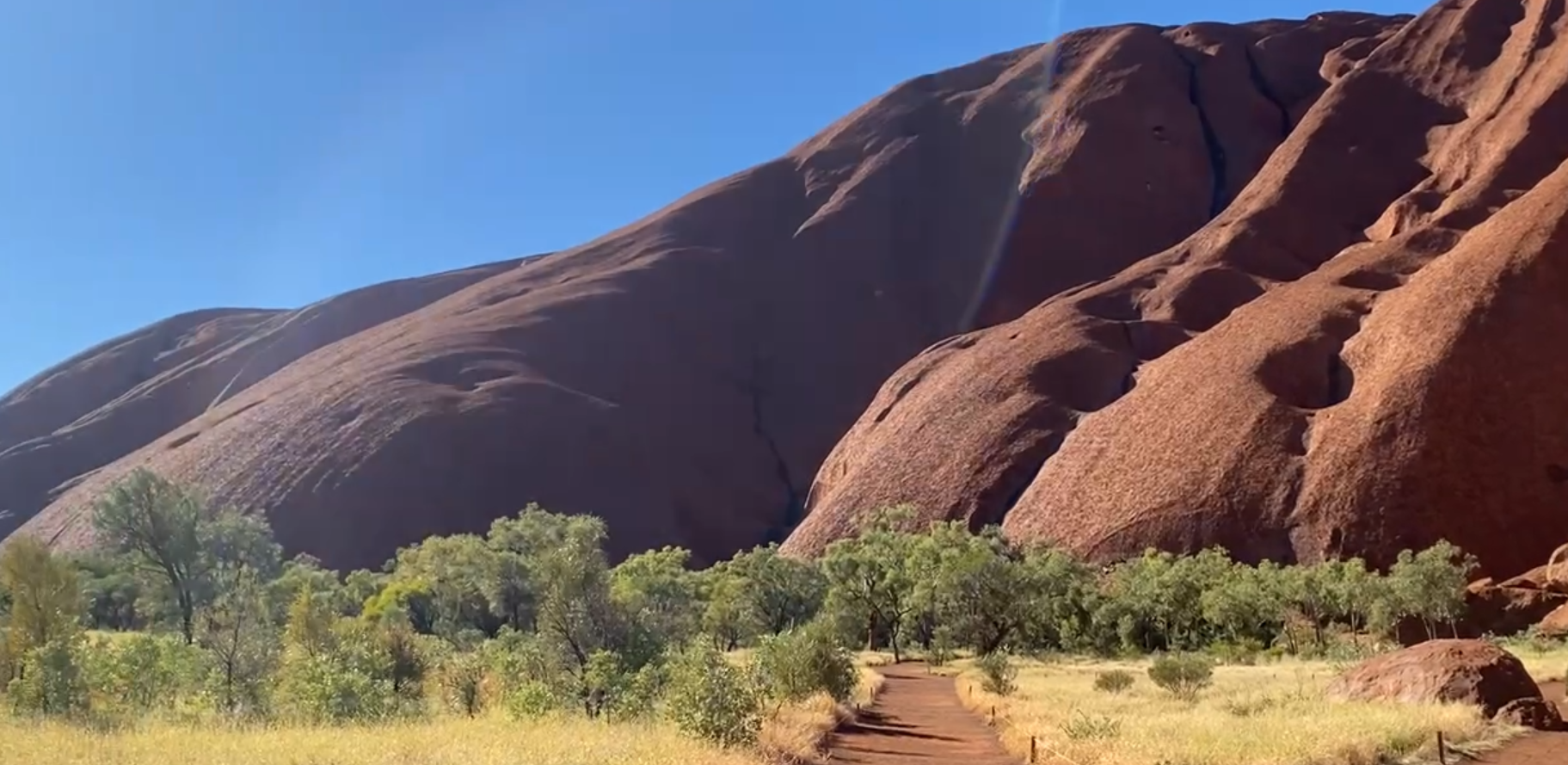
Moving on, our path wound its way through sheer rock walls where we caught glimpses of the sky and the ever-changing colours of Uluru as the sun climbed higher into the blue, before arriving at Kantju Gorge, and its tranquil waterhole. The walls were steep, the air cool and still. It was a place of profound peace, a stark contrast to the harsh desert outside.

After the sunrise spectacle and Mala Walk, our day continued to unfold as we continued onto the Uluru Base Walk, an ancient trail that winds 10.5 kilometres around the entire base of the monolith. The track is well- maintained and mostly flat, making it accessible for most people. You’ll get up very close to the Rock and appreciate just how huge it is. You can take the entire base walk, or just concentrate on one or more of its sections, depending on how much time you have, your level of fitness and the weather.
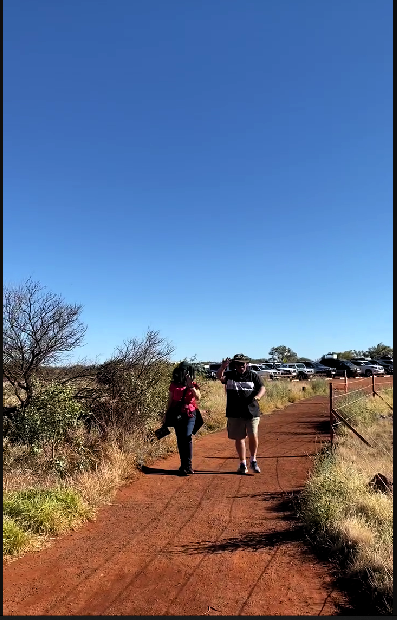


As you walk, you’ll be immersed in the stunning beauty of the desert landscape. Each section will look and feel completely different. We ambled along through acacia woodlands and grassed claypans which were surprisingly lush and green.
We came across bloodwoods, native grasses and the opportunity to spot any bush tucker, while other sections were open and vast, with little shade. 🔥Tip: Some tracks are closed in the afternoon during the summer months, due to high temperatures.
You’ll learn about the Dreamtime stories linked to Uluru, the significance of the waterholes, and the unique flora and fauna that call this arid desert landscape home.
Other Ways to Experience Uluru
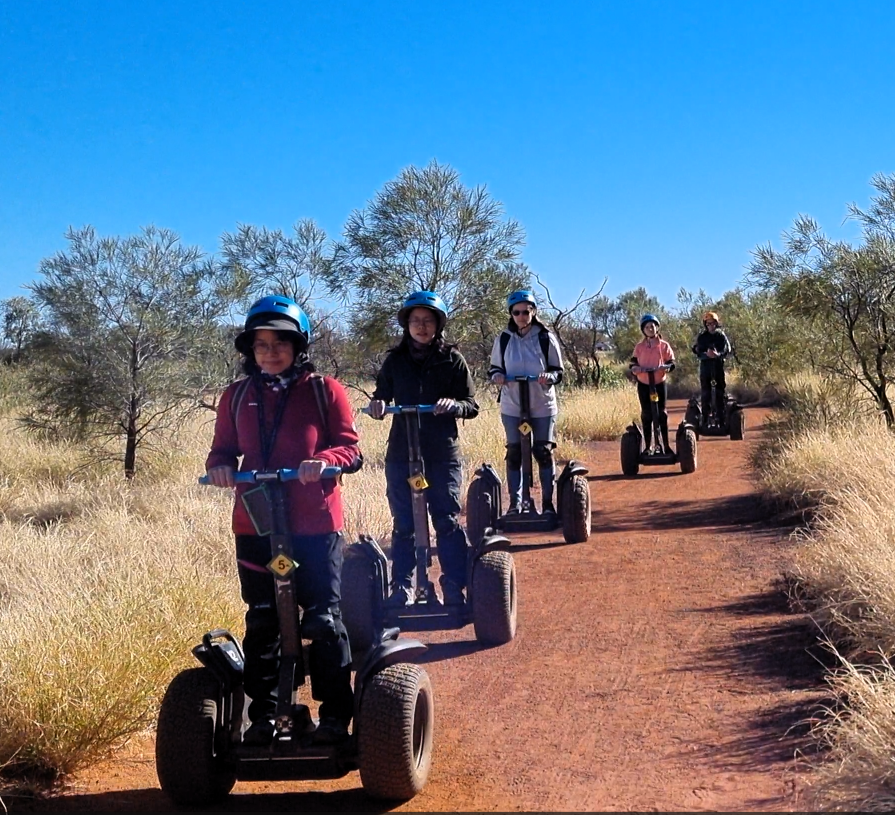
- Segway Tour: A guided Segway tour is fun and a unique way to experience the Uluru Base Walk. Segway’s allow you to cover more distance in less time and offer a smooth and comfortable ride. You’ll glide effortlessly along the track, taking in the sights and sounds of the desert.
- Cycling: You can rent a bicycle and explore the base at your own pace. This is a great choice for all the family who want to cover more ground.
It is important to remember that Uluru is a sacred site for the Anangu people. As visitors, it’s our responsibility to treat this place with respect and reverence to guarantee the preservation of this iconic landmark for generations to come.

It’s late afternoon, the sun is setting over the horizon, we’re driving to the western viewing car park where we join the Uluru Sunset BBQ Dinner Tour. If you thought the sunrise was spectacular, just get ready for this. We grabbed our glass of bubbly (a cold beer for me), feasted on delicious BBQ meats and fresh salads (lamingtons and tea / coffee for desert) while raising our glasses in awe at the spectacle of an Uluru Sunset – this is truly a sight to behold.
Useful Information
- Best time to visit: The cooler months from April to September are recommended for visiting Uluru to avoid the harsh desert climate – This is also peak tourist time.
- Book Car Hire, Tours & Accommodation in advance: Popular times can book out quickly, so plan ahead – We stayed at the Ayers Rock Resort (click here for more info), Desert Gardens Hotel – Desert Deluxe Room – Highly recommended – sensational views & great service.
- Hire a rental car – We used Hertz – good rates and excellent service. We pre-booked a suitable vehicle for 3 days, months in advance before our arrival (if you leave this to the last minute and are travelling in peak times, there is a very strong chance that there will be no cars available when you land). We ditched the tours organized by the bus companies. We found the car rental to be cheaper for 4 intrepid explorers. We could come and go as much as we liked, and didn’t have to put up with the crowds of the tour bus at every destination.
- Wear comfortable shoes, pack your insect/fly net, stay hydrated and rug up. Early morning temps in the winter months can be 0 degrees or less.
- Toilets & Drinking water are available at various locations. Mobile phone signals are available in some areas – I used Optus.
In conclusion, Uluru is a place of profound beauty and spiritual significance. By witnessing the sunrise and sunset and embarking on the Mala Walk and Uluru Base Walk, you can gain a deeper appreciation for this remarkable natural wonder and the rich cultural heritage of the Anangu people.
This is more than just a sightseeing trip, it’s an opportunity to connect with nature, learn Aboriginal culture, and create lasting memories. Whether you’re seeking adventure, cultural immersion, or simply a moment of peace, Uluru has something to offer everyone. If you ever get the chance, witnessing Uluru’s splendor should be at the top of your travel bucket list.
Discover More Uluru Walks: Explore the Links!🚶🚶♀️
- The Ultimate Guide to Exploring Brisbane’s City Botanic Gardens + 🚶♂️📽️

- The Treasure Triangle – Brisbane’s ultimate Op Shop Day Trip


 roadtripn.blog