I have always been interested in visiting museums and learning more about the Holocaust, the genocide of millions of Jews and other persecuted groups by the Nazi regime during World War 2. I wanted to understand how such a horrific event could happen, and what lessons we could learn from it. That’s why I visited the Queensland Holocaust Museum, a new museum that opened in Brisbane 2023.
Let’s Go and take a tour of the Queensland’s Holocaust Museum, taking us on a journey through one of the darkest periods in human history.

The Museum is located at 168 Charlotte Street, Brisbane CBD, on the lower ground floor of historic Penola Place and the Old Archive Building. Presenting many artifacts and stories from Queensland survivors, the Museum is open Tuesday, Thursday and Sunday from 9am to 4pm. There are entry charges and discounts for Seniors and group bookings. The Holocaust Museum claims to have created a world first, a unique Online Experience that steps visitors through pre-war, war and post war eras telling the story behind the Holocaust. Click here for more information, entry pricing, and the Online Holocaust Museum Experience.

The museum is laid out in an easy-to-follow story line with numerous exhibitions with their own tales to tell including a number of Discovery Pods where videos complete the story (some very emotional). The exhibition is basically divided into 3 sections:
>The rise of the Nazi Party: This section explores the rise of the Nazi party & Adolf Hitler, as well as the Nazi ideology and antisemitism.
>The Holocaust: This section tells the story of the Holocaust, from Nuremberg Laws to the extermination camps.
>After the Holocaust: This section explores the aftermath of the Holocaust, including the liberation of the camps, the trials, and the resettlement of survivors.

Entry is on the ground floor, the museum on the 1st level connecting with a flight of stairs down to the exhibition. 🔥Tip: There is lift access if required to gain access to the museum. 🔥Tip: One of a number of volunteers is always on hand to help with any information.
We arranged to make this a mid-week visit on a Thursday (less crowds than on a weekend or school holidays), arriving at the ground floor entrance I was greeted by a very friendly staff member who gave me a guided map and information including a brief history and stories of the Holocaust, as well as the Queensland connection.

I started my visit by following the long corridor, then down the stairs to the main exhibition hall which starts with a timeline of the Holocaust from Nazism to the liberation of the concentration camps. As I entered the museum, I was immediately struck by the somber atmosphere. The walls were lined with black & white photographs of victims, and their personal belongings that had been donated by survivors. The first section explores the political and social factors that led to the rise of Adolf Hitler and the Nazi Party in Germany. I learned how Hitler came to power and how he used propaganda and persecution to reinforce his rule.


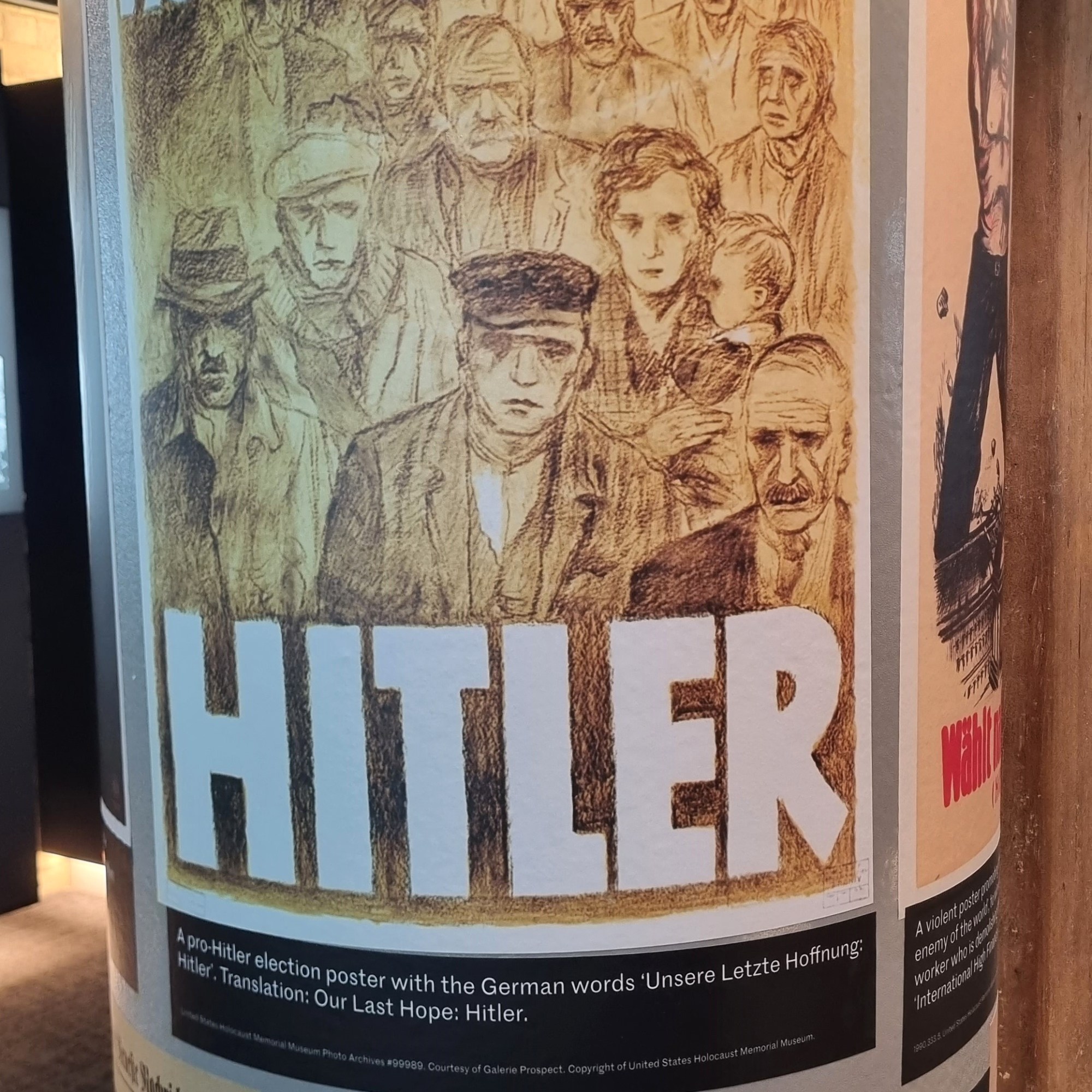
Moving onto the next section, we saw stories of the Holocaust and the persecution of the Jews and other minority groups that didn’t fit into the Nazi ethos. The exhibition had photos, artifacts, and videos that showed the life and suffering of the victims. I saw a suitcase that belonged to a child that was probably being transported, artifacts and letters that had been written, and a video showing the final liberation. I was shocked and saddened by the brutality and inhumanity of the Nazis and the resilience of the victims. A walk through a Replica Rail Carriage, which was one of the means of transportation that the Jews and others were forcibly moved to the concentration and death camps, listening to the sadness and despair of their stories was exceptionally emotional sending shivers down my spine.
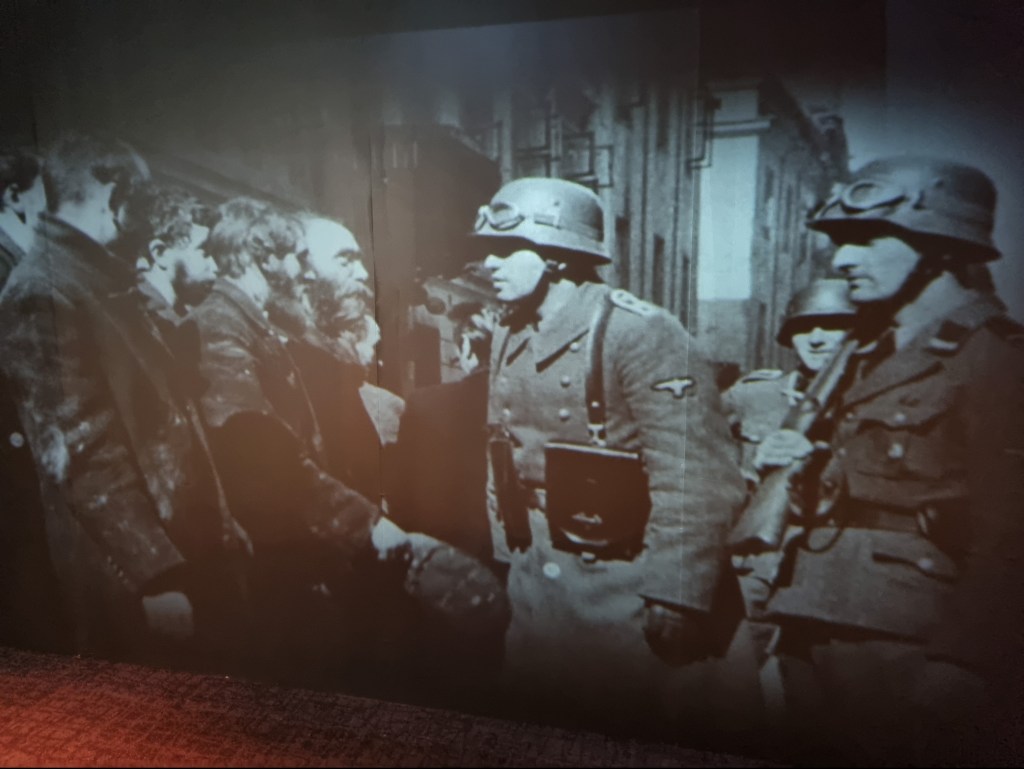
Onwards, following the exhibition circuit map brought us to the last section of the museum. Focusing on the aftermath of the Holocaust, I gained a better understanding of the Nuremberg Trials and saw harrowing images of concentration camps, and read about the systematic extermination of the Jews and other minorities. It was so moving watching the videos while also reading the stories of resistance and survival. Through the portraits, testimonies, and memorabilia from those who came from different countries and backgrounds that had survived, I learned about their experiences before, during and after the Holocaust, and the efforts to rebuild Jewish communities around the world.

I ended my visit where I began – The Queensland Holocaust Museum is a powerful and moving experience and a “Must See” if you are visiting Brisbane or just have an interest in Museums. This Museum is a place dedicated to the memory of all those that perished, survived, and saved many during the Holocaust. It is a place where people can learn about the Holocaust, a place where you can reflect on the importance of tolerance and respect for all people. I left the museum feeling more informed and aware of one of the darkest chapters in human history and its relevance to our present and future. It is also a testament to the resilience of the human spirit and makes an excellent day trip destination, I highly recommend visiting the Museum to anyone if you are ever in Brisbane.

 roadtripn.blog